Hacienda Heights Roofing Contractor With Honest Pricing & Solid Craftsmanship
Roofs in Hacienda Heights age in a particular way. Six to eight bone-dry months of San Gabriel Valley sun bake shingles brittle and cook the felt under tile roofs. Then the first atmospheric-river storm in November or December finds every weak spot at the same time. Add Santa Ana winds off the Puente Hills, fire-zone rules up in the hillsides, and decades-old tract-home roofs, and you've got a roof that can look fine from the street while it's failing underneath. Bennington Roofing finds those problems early, explains them plainly, and fixes them right, with honest pricing and careful work from the first visit to final cleanup.
We work on the full range of homes in the community. That means single-story ranch homes in the Seventh Avenue and Clark Avenue flatland tracts, split-levels along the Colima Road corridor, and steep, multi-level custom homes up toward Turnbull Canyon and the Puente Hills ridgeline. We know how LA County Public Works handles permits for unincorporated Hacienda Heights. We plan around HOA color and profile rules, and we stage tile loads on narrow hillside streets. When your roof has old layers, rooftop solar, and a patio cover that was tied in badly, we work through it one piece at a time.
- ✓Bonded roofing contractor
- ✓Fully insured for your protection
- ✓Free, detailed written quotes
- ✓Financing available for larger projects
- ✓Serving homes within 20 miles of Hacienda Heights
- ✓Residential and commercial roofing
- ✓Emergency leak response during storm season
Request Your Free Estimate
No obligation. Fast, honest quotes.
Thank you — your request was sent!
A member of the Bennington Roofing team will reach out shortly. Need help now? Call (626) 548-6498.
Why Hacienda Heights Roofs Need a Local Roofing Contractor
Hacienda Heights roofs have to handle a lot at once: Climate Zone 9 heat, strong UV most of the year, winter downpours that arrive all together, Santa Ana winds, wildfire risk, and an active fault under the hills. On top of that, most homes are 50 to 70 years old. Every one of those factors changes how a roof here should be inspected, repaired, and replaced.
Heat, UV, Short Storm Seasons, and Santa Ana Winds
Summer highs here usually sit in the upper 80s to mid-90s, and heat waves push past 100°F. Attic temperatures under a dark shingle roof can climb well above that. The community gets roughly 15–18 inches of rain a year, and nearly all of it falls between November and March, often in just a few intense storms. So a slow leak can stay hidden from April through October and then pour through a ceiling in the first storm of the season. Year-round UV dries out asphalt shingles, cracks flashing sealant, and breaks down the felt underlayment beneath tile. Fall Santa Ana winds can lift shingles and knock tiles loose. The Puente Hills thrust fault runs directly beneath the area, so earthquakes add another kind of stress: shaking can crack heavy tile, shift chimneys, and pull flashing away from walls.
Postwar Homes, Layered Roofs, and Complex Hillside Rooflines
Most of Hacienda Heights was built between the mid-1950s and the 1970s on former citrus and walnut groves, and a wave of larger hillside and gated custom homes followed in the 1980s and '90s. Many houses are on their second or third roof, and some still have shingles laid over older layers. Some homes still have original wood shake. Thirty- to forty-year-old concrete tile roofs often have tiles in good shape over underlayment that has failed. The original board sheathing tends to rot at the eaves. Attic ventilation is often minimal. Room additions and patio covers frequently have low-slope roofs that were tied in poorly. Up in the hills south of Colima Road, rooflines get complicated, with lots of valleys and hips and multiple levels, often above steep driveways.
LA County Permits, Fire-Zone Rules, and HOA Approval
Hacienda Heights is unincorporated, so re-roofing permits and inspections go through LA County Public Works Building and Safety, not a city hall. Homes in state-mapped Very High Fire Hazard Severity Zones, including much of the Turnbull Canyon and Puente Hills area, fall under California's wildland-urban interface rules (CBC Chapter 7A / CRC R337). That means Class A roof assemblies, blocked tile ends, and ember-resistant vents. Title 24 cool-roof requirements apply when more than half of a roof in Climate Zone 9 is replaced. SCAQMD limits hot-asphalt and torch work. On top of that, the Hacienda Heights Community Standards District and HOA CC&Rs in gated communities can control tile profile and color, so architectural approval often has to come before the work starts.
A Careful, Research-Driven Community
About 54,000 people live in Hacienda Heights. Homeownership is high, and many homeowners have held their properties for decades. Multigenerational households are common. Mandarin, Cantonese, Spanish, and English are all widely spoken, and people lean on word of mouth and reviews in several languages. Most homeowners here collect several bids and want written estimates they can share with family. In the hills, insurers have been dropping or not renewing policies in fire-prone areas, so homeowners want documented, Class A, ember-resistant roofs they can show their carrier. High SCE bills also push a lot of interest in cool roofs, better attic ventilation, and re-roofs that are ready for solar.
Common Roofing Problems in Hacienda Heights Homes
Most roof calls we get here come down to a short list of problems, and they tie back to local conditions: long dry seasons, intense sun, aging tile underlayment, fire-zone exposure, and decades of add-ons. Here's what each problem looks like, why it's so common here, and how serious it usually is.
Failed Underlayment Under Concrete or Clay Tile Serious
Tile roofs shed most of the water, but the real waterproofing is the felt underlayment beneath them. Once that felt dries out, cracks, and crumbles, water that gets past the tiles soaks straight into the sheathing, even when every tile still looks perfect.
Why it's common hereConcrete S-tile and flat tile went on thousands of 1980s–90s homes and re-roofs here, so a lot of that original felt is now 30–40 years old. Climate Zone 9 attic heat and year-round UV break it down years ahead of the tiles. Long dry seasons hide the damage, and the first big atmospheric-river storm exposes it. Homeowners are often surprised, because the roof looks fine from the street. The usual fix is to keep the tiles, which can generally be reused, and replace everything underneath them.
Signs you'll notice- Ceiling stains after the first heavy winter storm
- Brittle, black felt visible at tile edges or eaves
- Damp or darkened sheathing in the attic
- Water stains along rafters below valleys
- Tiles that slipped or sit out of line
- Musty attic smell after rain
Very common in the gated and planned communities from the 1980s–90s and on custom homes along the Colima Road corridor and the Glenelder / Los Robles area. Hillside homes with many valleys tend to fail first where water concentrates.
Our fix: Lift-and-relay re-roof: remove and stack the tiles, repair the sheathing, install new high-temperature underlayment and flashing, then reset the original tiles with replacements for any broken ones.
Sun-Baked, Brittle Asphalt Shingles Moderate
Asphalt shingles lose their protective granules, curl, crack, and turn brittle under constant heat and UV. Once the granules wear away, the asphalt mat underneath is exposed and ages faster, and wind can then lift or tear the shingles.
Why it's common hereHacienda Heights gets strong sun for most of the year and regular summer heat waves over 100°F. Many original ranch homes have very little attic ventilation, so heat builds under the roof deck and shortens shingle life from below as well. Smog and freeway dust from SR-60 and I-605 hold onto heat and moisture in the gutters. As a result, a shingle rated for 25–30 years often shows serious wear well before that on homes here.
Signs you'll notice- Granules piling up in gutters or downspout splash areas
- Curled or cupped shingle edges
- Cracked or missing tabs after windy days
- Bald, shiny patches on south- and west-facing slopes
- Very hot upstairs rooms and high summer electric bills
- Shingles that crack when you lift them
Most common on single-story ranch tracts near Seventh Avenue, Clark Avenue, and Valley Boulevard, and in the Gale Avenue area. Many of those homes have little ventilation and roofs that are 15–25 years old.
Our fix: Repair isolated damage if the roof still has life left. Otherwise, replace it with cool-rated architectural shingles and add balanced intake and exhaust ventilation to meet Title 24 and lower attic heat.
Wind-Lifted Shingles and Displaced Tiles Moderate
Strong gusts can break the seal strips on shingles, fold them back, or tear them off entirely. On tile roofs, wind can dislodge tiles or break them, especially along the ridges, hips, and edges, where the tiles are least protected.
Why it's common hereSanta Ana winds blow down through the canyons and passes of the Puente Hills from fall into winter, and gusts on exposed ridges can be severe. Shingle sealant that's already dried out from years of UV lets go more easily. Older tile roofs often have corroded fasteners or mortar that's worn out at the ridges. After a Santa Ana event, many homeowners can't see the damage from the ground. Then the first rain finds the gap.
Signs you'll notice- Shingles or tile pieces in the yard or gutters
- Lifted or creased shingle tabs
- Gaps along ridge or hip lines
- Exposed underlayment visible from the street
- Rattling or shifting sounds during wind
- New leaks right after a wind event
Concentrated on hillside homes near Turnbull Canyon Road and the Puente Hills ridgeline near Schabarum Regional Park, where homes face the full force of canyon winds. Exposed corner lots in the flatlands see it too.
Our fix: Post-wind inspection, then resecure or replace shingles, reset or replace tiles with matching profiles, and re-fasten ridge and hip pieces so they hold up through the next storm.
Active Storm Leaks and Water Intrusion Emergency
Water coming through the ceiling, light fixtures, or walls during rain. Left alone, it soaks insulation, rots the decking, damages drywall, and can grow mold within days. The longer it goes, the bigger and more expensive the repair.
Why it's common hereBecause nearly all the rain here falls in a few intense storms, small problems that built up quietly over a dry summer all show up together. Clogged gutters, cracked flashing sealant, failed underlayment, and wind damage can turn into an active leak in a single atmospheric-river storm. Every winter, roofers across the San Gabriel Valley book up fast once the first big storm hits.
Signs you'll notice- Dripping water or bulging ceiling drywall
- Fresh brown rings on ceilings
- Wet insulation or puddles in the attic
- Water running down interior walls
- Overflowing gutters spilling behind the fascia
- Flickering lights near a wet ceiling
Leaks spike citywide after the first major storm, usually November through January. Homes with complex hillside rooflines, older layered roofs, and additions tied in poorly at the roof-to-wall joint tend to take on the most water.
Our fix: Emergency tarping or temporary dry-in to stop the water, moisture checks, photos for insurance, then a permanent repair scheduled once the weather allows.
Poorly Tied-In Low-Slope Additions and Patio Covers Serious
Flat or low-slope sections, often built later than the main house, where water drains slowly and the joint between old and new roof was never properly flashed. Ponding water and failed seams follow.
Why it's common hereMany mid-century homes here gained family rooms, patio covers, and additions over the decades, some of them without permits. Those low-slope roofs often join the main roof with improvised flashing. Summer heat cracks coatings and rolled roofing, and the intense winter rain then pools in low spots. Old built-up tar-and-gravel systems on ranch homes have the same weaknesses as they age.
Signs you'll notice- Standing water 48 hours after rain
- Blistered, cracked, or alligatored surface
- Leaks where the addition meets the house
- Rusted or sagging patio cover framing
- Separated seams on rolled roofing
- Gravel washing into gutters
Very common on 1950s–70s ranch homes near Clark Avenue, Seventh Avenue, and the Azusa / Stimson Avenue area, where rear additions and patio covers were added over the years. Multigenerational households often have the most add-on square footage.
Our fix: Rebuild the tie-in with proper flashing and crickets, correct the slope where possible, and install a SCAQMD-compliant modified bitumen or coated low-slope system that meets Title 24 cool-roof rules.
Ember Entry Points and Fire-Zone Vulnerabilities Serious
Openings where wind-blown embers can get into or under a roof: open tile ends, unscreened attic vents, debris-packed gutters, and old wood shake. Embers, not the wall of flame, are what ignite most homes in a wildfire.
Why it's common hereThe brush-covered Puente Hills along the community's southern edge burn, and much of the hillside housing sits in state-mapped Very High Fire Hazard Severity Zones. Santa Ana winds can carry embers a long way. Some homes still have wood shake roofs, and many tile roofs have unblocked eaves. Insurers are taking notice, and some homeowners have been non-renewed or moved onto the FAIR Plan.
Signs you'll notice- Open gaps at the ends of barrel or S-tiles
- Attic vents without fine metal mesh
- Leaves and debris packed in gutters and valleys
- Wood shake or treated-shake roofing
- Insurance non-renewal or inspection notice
- Dry vegetation touching the roof edge
Concentrated in the Turnbull Canyon hillside area and along the Puente Hills ridgeline near Schabarum Regional Park, plus homes near the La Habra Heights and Whittier hillside edges.
Our fix: Install bird-stop/eave closures, ember-resistant vents, and metal gutter guards. If the roof is wood shake, re-roof to a Class A assembly and provide documentation for your insurance carrier.
Cracked Flashing, Sealant, and Chimney Damage Minor
Metal flashing and sealant seal the joints where the roof meets walls, chimneys, skylights, and vents. When the sealant cracks or the flashing pulls loose, water runs straight into the framing.
Why it's common hereUV breaks down caulk and mastic within a few years here. Earthquake shaking from the Puente Hills and Whittier faults can crack masonry chimneys and pull flashing away from walls. Expansive hillside clay soils slowly shift structures, which can open gaps at roof-to-wall joints over time.
Signs you'll notice- Cracked or missing caulk at chimney or walls
- Loose or lifted step flashing
- Cracked chimney crown or mortar
- Stains around skylights or vent pipes
- Gaps at roof-to-wall joints
- Rust streaks on flashing
Common on hillside split-levels south of Colima Road and on older brick-chimney ranch homes. We get a lot of these calls after even moderate earthquakes are felt across the San Gabriel Valley.
Our fix: Replace failed sealant and re-flash with counter-flashing, cut in where needed. Inspect the chimney crown and framing, and refer structural masonry issues to the right trade when necessary.
Roofing Services for Hacienda Heights Homes and Businesses
Every service we offer is built around the roofs actually found in Hacienda Heights: concrete and clay tile, architectural shingle, low-slope additions, and mixed systems with solar on top. We focus on fixing the real cause, not covering it up, and we give you written pricing you can compare against other bids.
Roof Repair ⭐ Specialty
We track down and fix leaks, broken or slipped tiles, wind-damaged shingles, failed flashing, and worn-out sealant. Then we check the surrounding area so a small repair doesn't hide a bigger problem next to it.
Our approachWe trace water paths from the attic, not just the stain on the ceiling, and match tile profiles and shingle colors. Repairs come with written photo documentation, so you can see exactly what was wrong and what we fixed.
In Hacienda Heights, CAMost repair calls here spike after the first big winter storm or a Santa Ana wind event. We see a lot of slipped concrete S-tile, lifted shingles on hillside homes near Turnbull Canyon, and leaking roof-to-wall joints on flatland ranch homes with later additions.
Best for: Homeowners with a specific leak, storm or wind damage, or a roof that still has years of life left but needs targeted fixes before the rainy season.
Roof Replacement ⭐ Specialty
Full tear-off and replacement, including lift-and-relay tile re-roofs that keep your existing tiles and replace the failed underlayment, sheathing, and flashing underneath.
Our approachWe remove old layers down to the deck and replace rotted boards and fascia. Then we install high-temperature underlayment, new flashing, and code-required ventilation. We pull the LA County permit, and if your home was built before about 1980, we test suspect materials for asbestos before tear-off.
In Hacienda Heights, CAMany Hacienda Heights homes are on their second or third roof or still have 30-plus-year-old tile felt. We handle fire-zone Class A requirements, Title 24 cool-roof rules, HOA approvals, solar removal and reinstall, and staging on steep hillside lots.
Best for: Roofs with widespread leaks, failed tile underlayment, multiple layers, wood shake, or shingles near the end of their life.
Roof Installation
New roof systems for additions, rebuilds, ADUs, and homes changing roof types, such as converting wood shake to Class A tile or shingle, or adding a properly sloped patio cover.
Our approachWe help you choose materials based on weight, fire rating, cool-roof reflectance, HOA rules, and budget. Then we install to manufacturer specifications with correct flashing, ventilation, and an underlayment system designed for Climate Zone 9 heat.
In Hacienda Heights, CASwitching from shingle to heavy tile, or removing tile, can trigger a structural review under LA County rules. We plan for that up front and coordinate with the county so the project isn't stalled at inspection.
Best for: Homeowners adding living space, building an ADU, changing roof material, or replacing a fire-risk shake roof.
Roof Inspection
Hands-on rooftop and attic inspections with photos and a plain-language written report: what's working, what's failing, and what can wait.
Our approachWe check the underlayment at tile edges, the condition of flashing and sealant, sheathing at the eaves, ventilation, gutters, and ember entry points. Everything goes in a photo report you can share with family, buyers, or your insurance carrier.
In Hacienda Heights, CAWe recommend inspections before the November rains, after Santa Ana wind events, and after felt earthquakes. Hillside homeowners also use our reports to show insurers their Class A and ember-resistance upgrades.
Best for: Pre-season checkups, home purchases and sales, insurance documentation, and anyone unsure whether to repair or replace.
Roof Maintenance
Routine care that makes your roof last longer: debris and gutter cleaning, resetting slipped tiles, resealing flashing, and minor touch-ups before small issues become leaks.
Our approachWe clear valleys and gutters, replace cracked tiles, refresh UV-damaged sealant, check vents and bird-stop, and recoat low-slope sections with SCAQMD-compliant, low-VOC products where appropriate.
In Hacienda Heights, CAFreeway grime from SR-60 and I-605, leaf litter on hillside lots, and six dry months of sun all wear roofs down here. A late-summer or early-fall maintenance visit gets your roof ready before the first atmospheric-river storm.
Best for: Homeowners who want to get the most life out of a tile or shingle roof and avoid emergency calls in storm season.
Commercial Roofing
Repair, maintenance, coating, and replacement for low-slope and pitched commercial roofs on retail, office, light industrial, and multi-unit buildings.
Our approachWe assess drainage, seams, and membrane condition. Then we recommend repair, restoration coating, or replacement with Title 24-compliant cool-roof systems, scheduled to keep disruption to tenants and customers low.
In Hacienda Heights, CAWe serve storefronts along the Colima Road and Hacienda Boulevard corridors and commercial properties toward Gale Avenue and the neighboring City of Industry, where flat roofs face intense heat and ponding during winter storms.
Best for: Property owners and managers who need dependable roof work, clear documentation, and scheduling that keeps the business open.
Emergency Roofing
Fast response when water is coming in. We put down tarps, do temporary dry-ins, and secure roofs after storms, wind, fallen limbs, or earthquakes.
Our approachFirst we stop the water. Then we photograph the damage for insurance, check the attic for moisture, and give you a clear plan and written quote for the permanent repair.
In Hacienda Heights, CAEmergency calls spike after the first major winter storm and after Santa Ana wind events in the hills. Because we're local, we can reach Hacienda Heights homes faster than out-of-area crews when everyone is booked.
Best for: Active leaks, storm or wind damage, missing roofing sections, or any situation where waiting would cause more interior damage.
How Our Roofing Process Works
No pressure, no surprises. Here's how a Bennington Roofing project usually goes, from your first call to the final LA County inspection and cleanup.
Free Consultation and Roof Inspection
- We inspect the roof surface, flashing, and attic, not just the visible stain
- We photograph problem areas so you can see what we see
- We ask about past leaks, additions, solar, and insurance concerns
- Family members are welcome to join and ask questions
Local note: Expect wait times to get longer after the first big winter storm, so a pre-season inspection in late summer or early fall is the easiest time to get on the schedule.
Detailed Written Estimate and Options
- Line-item written quote covering materials, labor, permits, and disposal
- Repair-versus-replace options with honest pros and cons
- Notes on fire-zone, Title 24, or structural requirements that apply
- Financing options explained for larger projects
Local note: For tile roofs, we explain whether your tiles can be reused, which often lowers the cost of a re-roof considerably.
Permits, HOA Approval, and Scheduling
- We pull the re-roofing permit through LA County Public Works
- We prepare material samples and specs for HOA architectural review if needed
- We coordinate solar removal and reinstall with your installer and SCE
- We arrange asbestos testing for pre-1980 roofing before tear-off
Local note: Gated and planned communities often require HOA approval of tile profile and color, so we start that paperwork early.
Roof Work and Daily Site Care
- We protect landscaping, driveways, and AC units before work begins
- We tear off to the deck and replace rotted sheathing and fascia
- We install underlayment, flashing, ventilation, and roofing to spec
- We dry in and clean up at the end of every workday
Local note: On steep hillside lots near Turnbull Canyon and the Puente Hills, we plan dumpster placement, conveyors, or crane lifts for heavy tile ahead of time.
Final Inspection, Cleanup, and Walkthrough
- We meet the LA County inspector for permit sign-off
- We do a magnetic nail sweep and full debris haul-away
- We walk the job with you and share photo documentation
- You get paperwork you can share with your insurer or HOA
Local note: Hillside homeowners often send our Class A and ember-resistance documentation to their insurance carrier, and we'll make sure you have it.
Why Hacienda Heights Homeowners Choose Bennington Roofing
We Know Hacienda Heights Roofs, Street by Street
A flat-roofed ranch home near Clark Avenue and a multi-level tile home above Turnbull Canyon Road need very different roofs. We've seen how 1950s board sheathing rots at the eaves, how 1980s concrete tile felt fails while the tiles hold up, and how canyon winds hit hillside ridges. That local knowledge means we diagnose faster and give you an accurate quote. It also means the materials and details we recommend actually fit your home, your slope, and your neighborhood's rules, instead of a one-size-fits-all package.
Bonded and Insured on Every Job
Roofing is high-risk work, and Hacienda Heights homeowners are right to be cautious about storm-chasers and uninsured crews. Bennington Roofing is bonded and insured, which protects you if something goes wrong on your property. We're glad to provide proof of coverage before any work starts. We also recommend that you verify the license and coverage of every roofer you're considering, us included. A careful contractor should welcome that kind of question.
Honest, Line-Item Pricing You Can Compare
Many families here gather several bids and talk them over at home before deciding. We make that easy with clear written estimates that break out materials, labor, permits, disposal, and any wood replacement. If your tiles can be reused, we'll tell you. If a repair will buy you several more years, we'll say that instead of pushing a full replacement. Our goal is a recommendation you'd be comfortable explaining to your parents, your kids, or your neighbor.
Permit, Fire-Zone, and HOA Work Handled for You
Unincorporated Hacienda Heights means LA County permits, WUI fire-zone rules in the hills, Title 24 cool-roof requirements, and often HOA architectural review. We handle all of it. We pull the permit, specify Class A assemblies and ember-resistant details where required, prepare HOA submittals, and meet the county inspector. You get a roof that passes inspection and paperwork your insurer can use.
Experience With Tile, Shingle, Low-Slope, and Mixed Roofs
Many roofs here combine concrete tile, a shingle section, and a low-slope patio cover or addition, sometimes with solar panels on top. We're comfortable with all of it, from lift-and-relay tile re-roofs to modified bitumen on flat sections and fixing bad tie-ins between old and new roof. One team handling the whole roof means there's no finger-pointing between trades when the next storm comes.
Emergency Help When Storms Hit
When the first atmospheric river rolls in, everyone needs a roofer at once. Because we're based locally, we can respond to Hacienda Heights homes with tarping and temporary repairs to stop the water quickly. Then we document the damage for insurance and schedule a permanent repair. We also help after Santa Ana wind events and after earthquakes, when cracked tile or shifted flashing needs a check.
Financing That Makes the Right Roof Affordable
A full tile re-roof is a major investment, and many longtime homeowners on fixed incomes don't want to drain their savings for it. We offer financing so you can choose the right fix, not just the cheapest patch. We'll walk you through the options alongside your written quote so the monthly cost is clear before you commit to anything.
A Roofing Contractor Hacienda Heights Can Count On
Hacienda Heights homeowners take their time choosing a roofer. They compare bids, ask neighbors, and read reviews. We aim to earn that trust with honest pricing, clear communication, and careful work, so the next recommendation you give a friend or family member is an easy one.
Bonded • Insured • Financing available
Roofing Service Areas In and Around Hacienda Heights
Bennington Roofing is based around Hacienda Heights and serves homes and businesses throughout the community, from the flatland tracts near SR-60 to the hillside streets along the Puente Hills, plus neighboring San Gabriel Valley and Whittier-area communities within our service radius.
Hacienda Heights Hillside Neighborhoods
Hacienda Heights Flatlands and Corridors
Nearby Communities
We serve properties within roughly 20 miles of Hacienda Heights. If you're not sure whether your address is covered, contact us and we'll confirm. Not sure if we cover your area? Call (626) 548-6498.
How Much Does a Roof Cost in Hacienda Heights?
Roofing costs here depend on material, roof complexity, local code requirements, and what we find under the old roof. These ranges reflect typical San Gabriel Valley pricing. Your free written estimate will give you a firm number for your specific home.
Roofing Material and System Primary Factor
Architectural asphalt shingle is usually the most affordable full replacement. Concrete tile costs more but lasts much longer, and clay barrel tile sits at the top of the range. If your existing concrete or clay tiles are sound, a lift-and-relay re-roof that reuses them and replaces only the underlayment can save a lot compared with all-new tile. Low-slope sections use modified bitumen or coatings, and those are priced separately from the main roof.
Roof Size, Pitch, and Complexity Primary Factor
A simple gable roof on a single-story ranch home goes much faster than a hillside custom home with multiple levels, lots of valleys and hips, and skylights. Steep pitches require extra safety setup. Every valley, chimney, and roof-to-wall joint adds flashing labor. Complex rooflines south of Colima Road and near Turnbull Canyon often cost noticeably more per square than flatland tract homes of the same size.
Deck Condition and Tear-Off Secondary Factor
Removing multiple old layers costs more in labor and disposal. Older homes often have board sheathing with dry rot at the eaves, plus damaged fascia and rafter tails, all of which need replacing. Homes built before about 1980 may need asbestos testing before tear-off. We price wood replacement per sheet or per linear foot in the estimate, so you'll know the cost ahead of time rather than being surprised mid-job.
Code, Fire-Zone, and HOA Requirements Secondary Factor
LA County permit fees, Title 24 cool-roof products, and fire-zone requirements like Class A assemblies, eave closures, and ember-resistant vents all add to cost, though they also protect your home and help with insurance. Switching to heavier tile may require a structural review. HOA-mandated tile profiles or colors can limit you to pricier product lines, and the approval process can stretch out the timeline.
Access, Solar, and Logistics Variable Factor
Steep, narrow hillside streets may require crane or conveyor delivery for tile and careful dumpster placement. Rooftop solar has to be removed and reinstalled, often costing a few thousand dollars, and that work needs coordination with your installer and SCE. Ventilation upgrades, radiant barriers, and gutter guards are optional add-ons that many homeowners include to lower summer cooling bills.
| Typical project | Details | Estimated range |
|---|---|---|
| Targeted leak or storm repair | Reset or replace slipped tiles or shingles, reseal and re-flash a chimney or wall joint; any home type | $450 – $1,800 |
| Asphalt shingle replacement on a flatland ranch home | About 1,800–2,200 sq ft single-story home near Seventh Ave/Clark Ave; tear-off of 1–2 layers, cool-rated architectural shingles, new ventilation, permit | $16,000 – $28,000 |
| Concrete tile lift-and-relay re-roof | About 2,200–2,800 sq ft 1980s–90s home; reuse existing tiles, new underlayment, flashing, eave closures, and sheathing repairs as needed | $20,000 – $38,000 |
| Hillside custom home re-roof in a fire zone | 3,000+ sq ft multi-level roof near Turnbull Canyon; new Class A tile assembly, ember-resistant vents, crane delivery, solar removal and reinstall | $45,000 – $85,000+ |
Financing is available, so you can spread the cost of a re-roof or major repair into manageable payments. Ask about options when we review your written estimate. A properly installed roof protects one of your largest assets. In the hills, a documented Class A, ember-resistant roof can also help with insurance renewals, and cool-roof materials with better ventilation can noticeably cut summer SCE bills.
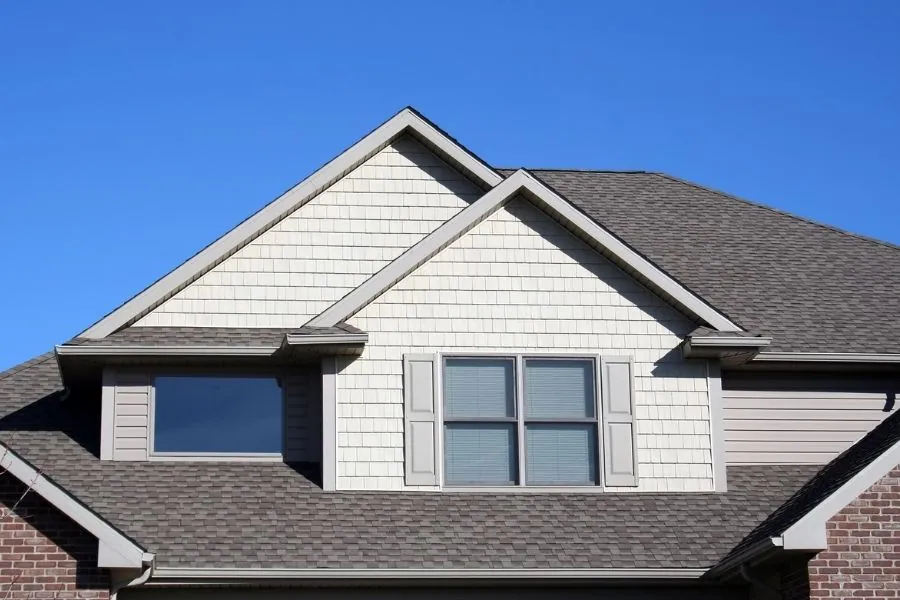
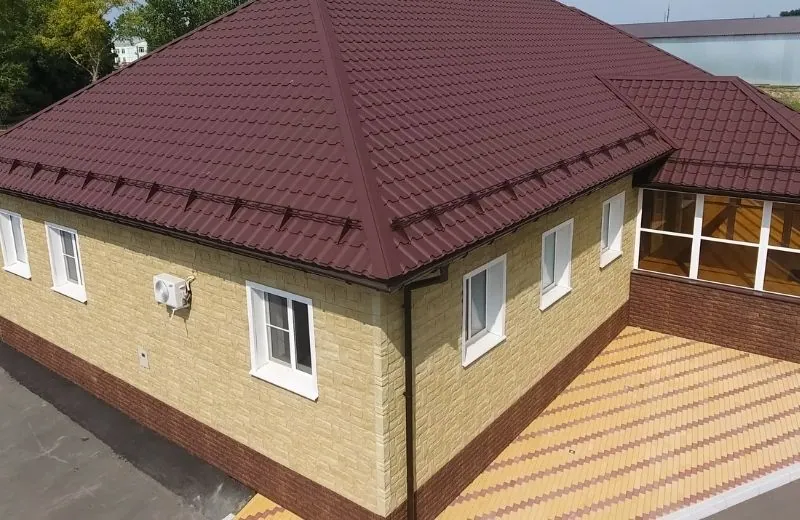
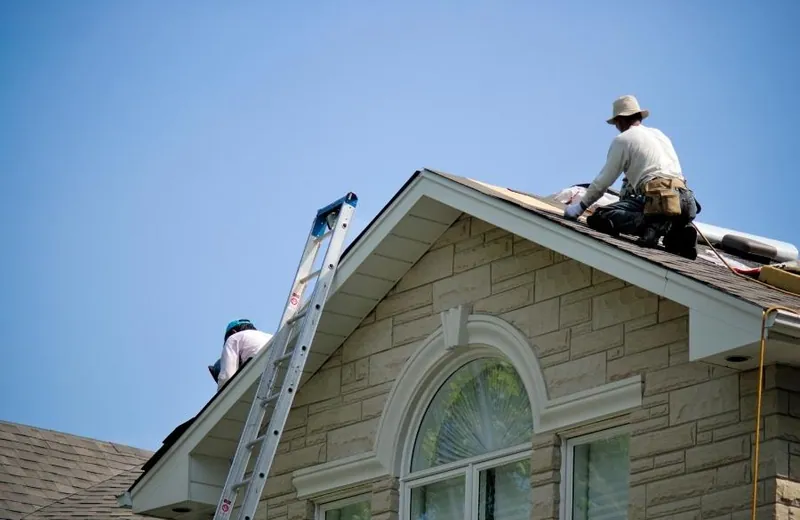
Recent roofing Projects in Hacienda Heights, CA
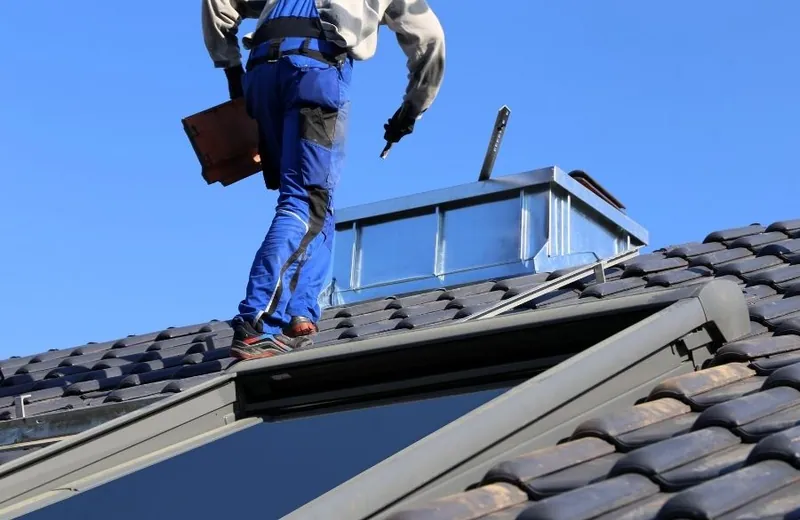
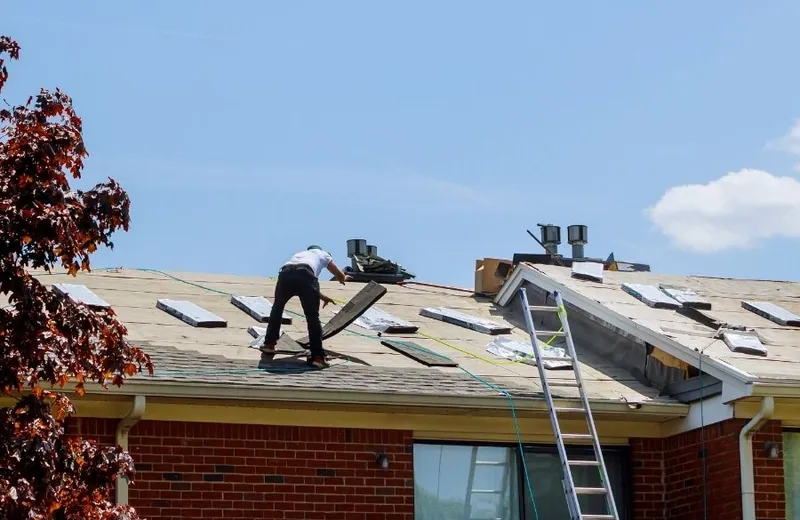

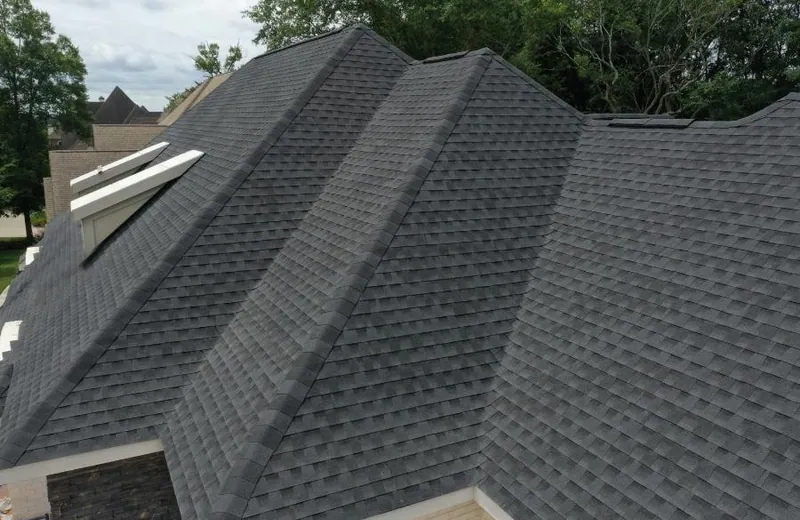
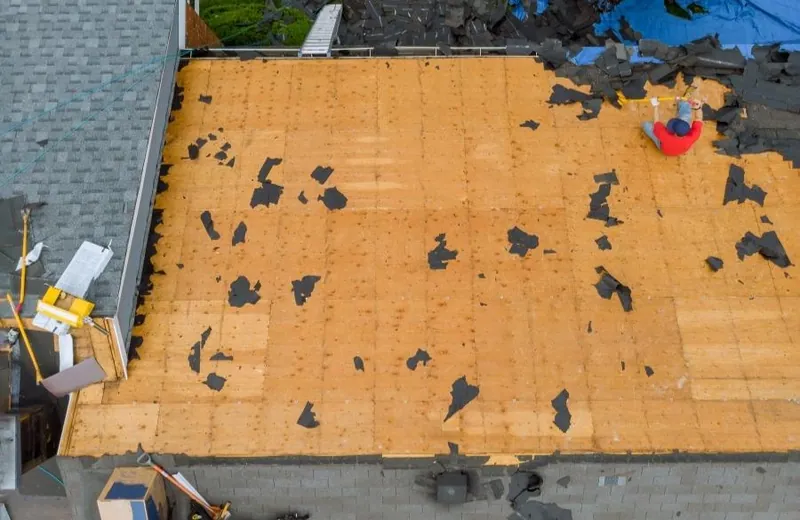
Hacienda Heights Roofing FAQs
How much does a new roof cost in Hacienda Heights?
For a typical single-story ranch home of about 2,000 square feet, an architectural shingle replacement usually runs about $16,000–$28,000. A concrete tile lift-and-relay, where we keep your tiles and replace the underlayment, often falls around $20,000–$38,000. Larger hillside homes with complex rooflines, fire-zone requirements, and solar removal can run $45,000 to $85,000 or more. The biggest cost drivers are material, roof complexity, rotted wood under the old roof, and access on steep lots. We'll give you a free line-item written estimate so you can compare bids, and financing is available.
My tile roof looks fine. Why is it leaking?
Usually it's the underlayment, not the tile. Concrete and clay tiles can last 50 years or more, but the felt beneath them, which does the real waterproofing, often fails after 20–30 years of Hacienda Heights heat and UV. Once it cracks, water that blows or wicks past the tiles goes straight into the sheathing. Many homes from the 1980s and '90s are at that point right now. The good news: your tiles are often reusable. A lift-and-relay re-roof replaces the underlayment and flashing and resets your existing tiles, which costs considerably less than all-new tile.
Do I need a permit to replace my roof in Hacienda Heights?
Yes, in most cases. Because Hacienda Heights is unincorporated, re-roofing permits come from LA County Public Works Building and Safety, not a city office. The county inspects the work, and Title 24 cool-roof rules apply when more than half the roof is replaced. Homes in Very High Fire Hazard Severity Zones must meet wildland-urban interface rules, including Class A assemblies, blocked tile ends, and ember-resistant vents. Your contractor should pull the permit. We handle permits and inspections for you, and we'll also help with HOA architectural approval if your community requires it.
How long does a roof replacement take?
The work on the roof itself usually takes 2–4 days for a shingle re-roof and 4–10 days for a tile re-roof, depending on size, complexity, and how much rotted sheathing turns up. Before that, allow roughly 1–4 weeks for the LA County permit, any HOA review, asbestos testing on older homes, and solar coordination with your installer and SCE. Repairs are often finished in a few hours to a day. We dry in the roof at the end of each workday, so your home stays protected throughout.
When is the best time to repair or replace my roof?
Late spring through early fall is ideal. It's dry, scheduling is easier, and permits move without weather delays. The worst time to find a problem is during the first big winter storm, when leaks show up all over the San Gabriel Valley at once and roofers book up fast. If your roof is 20 or more years old, has had past leaks, or showed damage after Santa Ana winds, schedule an inspection in late summer or early fall. That leaves time to finish repairs before the November rains.
What signs mean I should call a roofer right away?
Call immediately if water is dripping through a ceiling, drywall is sagging, or a wet spot is near a light fixture. Those can turn into structural damage or a safety hazard. Also call soon after Santa Ana winds or a felt earthquake if you see shingles or tile pieces on the ground, gaps along ridges, or cracks in your chimney. Less urgent but still important: granules piling up in gutters, curled shingles, brown ceiling rings, or an insurance non-renewal notice that cites your roof. Catching these early almost always costs less.
How can I make my roof last longer and resist fire in the hills?
Clean gutters and valleys every fall before the rains and Santa Ana season. Have slipped or cracked tiles reset promptly. Get flashing sealant checked every few years, since UV breaks it down fast here, and make sure your attic has balanced ventilation to cut heat buildup. For fire protection, install eave closures to block open tile ends, use ember-resistant vents, add metal gutter guards, keep branches off the roof, and replace any wood shake with a Class A roof. A yearly maintenance visit covers most of this and gives you photos to show your insurer.
Should I repair my roof or replace it?
If the damage is limited to one area and the roof still has most of its life left, a repair usually makes sense. Replacement is the better value when leaks keep returning in different places, the shingles are brittle and losing granules across the whole roof, the underlayment beneath tile has failed widely, there are multiple old layers, or you're dealing with wood shake and insurance pressure. If you have solar or plan to add it, replacing an aging roof first avoids paying for panel removal twice. We'll show you photos and give you both options in writing.
Serving Hacienda Heights, CA & Nearby
Get Your Free Hacienda Heights Roof Quote Today
Don't wait for the first atmospheric-river storm to find out what's going on under your tiles or shingles. Book a free inspection now and get a clear, honest plan before the rain starts.
- ✓Free on-site roof inspection with photo documentation
- ✓Detailed written, line-item estimate with no pressure
- ✓Bonded and insured crew on your property
- ✓LA County permit, fire-zone, and HOA paperwork handled
- ✓Honest repair-versus-replace advice, including tile reuse when possible
- ✓Financing available for larger projects
- ✓Careful site protection and full daily cleanup
⚡ Roof leaking right now? Call us for emergency tarping and temporary repairs to stop the water and protect your home.
Bonded • Insured